
Columbia University Campus Tour: How to See the Real Columbia
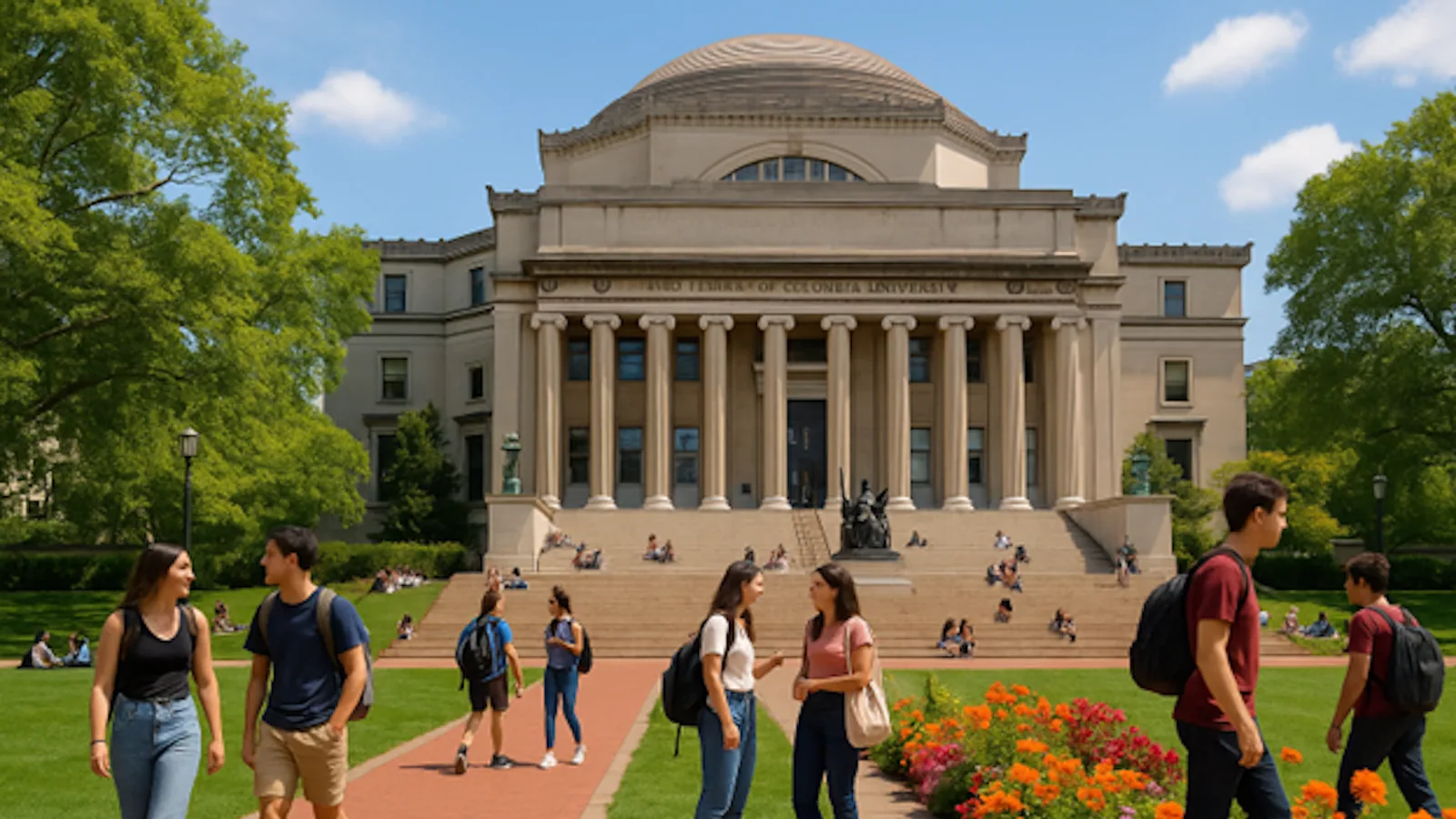
Want to experience Columbia University beyond the brochures? With SchoolScoops, you can go beyond traditional campus tours and get a true inside look through private, student-led Columbia tours. While the iconic Low Library and Butler Library are must-sees, the real Columbia lives in its study spots, dorm lounges, and everyday student life. Here’s how to make the most of your Columbia visit - and how SchoolScoops private campus tours can help you see the school from a real student’s perspective:
Best Time to Visit: Early fall (September-November) or spring (March-May) when the campus is buzzing with activity. Weekdays, especially midweek, offer a better glimpse into academic life.
Explore Beyond Tours: Seek out quiet study nooks, student hangouts like the Butler Library steps, and lesser-known spots like the West 111th Street People’s Garden. On a SchoolScoops tour, your guide - a current Columbia student - can show you their favorite hidden spots that don’t appear on any brochure.
Connect with Students: Instead of generic tours, choose SchoolScoops student-led or 1-on-1 video chats to get unfiltered insights into classes, dorm life, and Columbia’s unique culture.
Don’t Miss: Riverside Park for relaxation, Dodge Fitness Center for recreation, and campus landmarks like Alma Mater and St. Paul’s Chapel - and ask your SchoolScoops guide what campus spaces mean most to them.
Skip the surface-level visit and dive into the real Columbia experience with SchoolScoops private campus tours - your window into what it’s truly like to live and learn at Columbia University.
When to Visit Columbia for the Best Experience
The timing of your visit to Columbia University can significantly shape your experience. Whether you're looking for the lively hum of academic life or a quieter atmosphere, choosing the right time allows you to immerse yourself in Columbia's unique energy. The campus vibe changes throughout the year, and your visit's timing will influence what aspects of student life you’ll get to see.
Columbia's Academic Calendar Guide
To truly experience Columbia at its best, plan your visit when students are on campus. Early fall and spring - spanning September to November and March to May - are prime times. During these months, the campus is alive with academic and social activities. You’ll see students bustling between classes, study groups filling libraries, and a variety of campus events taking place.
"To get the real feel of college, at its best, a visit during early fall is good." - James W. Hoover, History Professor in the U.S.
Early fall stands out as an excellent time to visit. From September through early November, the crisp New York weather complements the dynamic campus atmosphere. Students are settling into their routines, clubs are recruiting, and the excitement of a new academic year is palpable.
Spring, particularly from March to early May, is another fantastic window. As temperatures warm, outdoor spaces come alive, and you’ll witness a campus fully engaged in academic and social life.
Summer visits, on the other hand, can be less ideal. If summer is your only option, aim for May or June, when there’s a slight uptick in activity.
Weekdays vs. Weekends: Choosing Your Visit Day
The day of the week you visit also plays a big role in your experience. Weekdays, especially Tuesday through Thursday, provide the fullest glimpse into Columbia’s academic life. You’ll encounter students grabbing their morning coffee, attending classes, and studying in bustling libraries.
Weekends, on the other hand, offer a slower, more relaxed atmosphere. Students might gather for brunch, study in quieter spaces, or enjoy downtime, but with reduced activity in academic buildings, you may miss the vibrant classroom and library energy.
For the most comprehensive experience, visit on a weekday during an active semester. A Tuesday or Wednesday in October or April is ideal, as you’ll see the campus at its busiest - with engaged students, lively classes, and the full rhythm of university life in motion.
Going Beyond the Standard Tour Path
Official campus tours are great for hitting the highlights, but Columbia’s true essence often lies in the spaces not on the itinerary. The real Columbia experience unfolds in the quiet corners, the everyday student routines, and the hidden gems scattered across campus. These are the places that prospective students need to see to truly understand what life at Columbia is all about.
Hidden Spots and Quiet Spaces
Columbia’s campus is full of tucked-away spots that offer a glimpse into student life and culture. Take the West 111th Street People’s Garden, for example. Nestled near the edge of campus, this community garden is where students gather for casual study sessions or quiet conversations. It’s a space that reflects not just Columbia’s connection to the surrounding Morningside Heights neighborhood, but also how students engage with their broader community.
Then there are the stairwells in older buildings like Hamilton Hall and Philosophy Hall. These aren’t just pathways from one floor to another - they’re snapshots of Columbia’s history and daily life. Smoothed by years of use, these stairwells are lined with bulletin boards and often become impromptu meeting spots or places to pause for a quick study break.
You’ll also find hidden courtyards scattered between academic buildings. One favorite is the small courtyard behind Fayerweather Hall, where students often grab lunch or take a breather between classes. These spaces aren’t just picturesque - they’re practical, revealing how students move through and use the campus during their day-to-day lives.
And let’s not forget the upper floors of Butler Library. While the main reading room is a showstopper on any tour, the quieter nooks and specialized collections upstairs are where students buckle down for serious study sessions. These tucked-away spaces highlight Columbia’s academic rigor and the dedication of its students.
Even Columbia’s most famous landmarks hold deeper significance when viewed through a student’s lens.
Famous Landmarks from a Student's View
Take Low Memorial Library and the Alma Mater sculpture - two of Columbia’s most iconic symbols. To visitors, they’re impressive landmarks, but for students, they serve very different purposes. Low Library is where students go to sort out administrative tasks like registration or academic appeals. Meanwhile, Alma Mater isn’t just a statue; it’s a good luck charm during finals week and a popular meeting spot for campus events.
The steps of Butler Library might be even more telling. Far from just a place to sit, these steps act as Columbia’s social hub. Students gather here to eat, chat, and unwind between classes. It’s a lively spot that reflects the campus’s energy and social rhythms.
Even the campus gates along Broadway have their own student-specific roles. The main gate at 116th Street is where formal campus business happens, while the smaller side entrances are shortcuts for students heading to class or avoiding crowds.
What ties all these spaces together is the perspective of those who use them daily. A personalized SchoolScoops tour, led by current students, can offer this insider view. These guides don’t just point out landmarks - they share the practical tips and stories that turn these spaces into meaningful parts of the Columbia experience.
Getting Into Columbia Student Life
Columbia University isn't just about classrooms and libraries; its outdoor spaces and recreational areas are where student life truly comes alive. From lush green parks to state-of-the-art fitness facilities, these spaces are where students unwind, stay active, and build connections.
Green Spaces and Recreation Areas
Right next to Columbia's Morningside campus, Riverside Park offers a refreshing break from the city's hustle. It's common to see students jogging along its scenic trails, tossing a frisbee on the open lawns, or simply relaxing between classes.
For those looking to stay fit, the Dodge Fitness Center has it all. This multi-level facility includes a Blue Gym for various activities, aerobics rooms for yoga and Zumba, squash courts, a running track, and even an Olympic-sized Uris Pool.
Over at the Manhattanville campus, The Plaza provides a welcoming space with tree-lined sidewalks and open areas perfect for socializing and taking a breather from academic demands.
These outdoor and recreational spaces highlight how Columbia students find balance between their rigorous studies and personal well-being. Whether it's a quiet moment in a park or an energetic workout, these areas are integral to the Columbia experience. A personalized SchoolScoops tour can help you explore these lively spots during their busiest times, giving you a true sense of what life at Columbia is like.
Columbia's Art and Campus Life
Columbia University isn't just about academics; it's a place where creativity thrives alongside tradition. The campus itself feels like a living gallery, blending its rich heritage with a vibrant artistic community.
Art Galleries and Campus Artwork
Art is woven into the fabric of daily life at Columbia. The Wallach Art Gallery, located in Schermerhorn Hall, showcases carefully curated exhibitions that often tie into the university's academic programs. These exhibits change with the seasons, so there’s always something fresh to explore.
Scattered across the campus, public art installations add unexpected moments of beauty and introspection. These outdoor works often double as informal gathering spots or quiet corners for study, making art a seamless part of the student experience.
Then there’s the Miller Theatre, a hub for performances that push creative boundaries. From experimental music to interdisciplinary productions, the theater highlights how Columbia’s artistic community embraces bold, new ways of expression.
Together, these spaces not only enhance the campus aesthetic but also connect students and visitors to Columbia’s creative pulse.
Historic Landmarks and Campus Traditions
Columbia’s historic landmarks add another layer of depth to its campus life. St. Paul’s Chapel, built in 1907, offers a serene escape with its stunning Byzantine architecture and intricate stained glass. Meanwhile, the Alma Mater statue, perched on the library steps, serves as a symbol of enduring campus traditions.
The iconic Low Memorial Library is more than an architectural gem. Though it no longer serves as the main library, its grand rotunda reflects the vision of Columbia’s founders and now houses administrative offices. It stands as a reminder of the university’s storied history.
A SchoolScoops tour can help you see how these landmarks and traditions shape the everyday experiences of students, offering a deeper appreciation for what makes Columbia truly special.
Making the Most of Your Columbia Visit
Why settle for just a standard tour when you can dive deeper into the Columbia experience? Connecting with current students is your ticket to understanding what life at an Ivy League school is really like.
Student-led tours go beyond the polished, rehearsed feel of official tours. When undergrads take the lead, they bring the campus to life with personal stories and insights. They’ll share their favorite Core Curriculum books, talk about professors who’ve left a lasting impact, and even recount those quirky, unforgettable moments with friends. It’s this kind of unscripted honesty that gives you a glimpse into Columbia’s true culture.
For an even more tailored experience, consider a personalized tour. You can choose a guide whose interests align with yours - whether it’s engineering, athletics, or transferring. Want to take it a step further? Opt for a private, one-on-one tour. This setup allows you to ask all your burning questions without the distractions of a larger group. Your guide can offer honest, focused advice that’s specific to your interests and concerns.
While you’re there, don’t just stick to the main attractions - explore the campus in a way that feels meaningful to you. Spend time in key spots like the iconic Butler Library or the peaceful corners of Morningside Park. Ask your guide about their daily routines, favorite study spaces, or how they balance academics with social life. These candid conversations will give you insights that no website or brochure could ever capture.
At its core, visiting Columbia is about more than just seeing the campus - it’s about imagining yourself as part of its community. A great student guide won’t just show you the highlights; they’ll help you picture what it would feel like to live, learn, and grow there. That’s the kind of perspective that can make all the difference as you weigh one of the biggest decisions of your academic journey.
FAQs
What are some hidden or unique spots on Columbia University's campus that offer visitors a more authentic experience?
For a deeper connection to Columbia's campus life, take some time to explore its hidden gems. Start with the tranquil St. Paul's Chapel, an architectural masterpiece that many visitors miss. Lose yourself in the Butler Library stacks, where the academic energy is almost tangible, or unwind in the quiet Revson Plaza courtyards, a serene corner away from the usual campus commotion. These spots offer a unique window into the everyday rhythm and character of Columbia's student life.
What are the best ways for prospective students to connect with current Columbia students and get a real feel for campus life?
Joining a campus tour at Columbia, led by student guides, is one of the best ways to get a feel for life at the university. These tours give you a firsthand look at daily life on campus, while also providing the opportunity to ask questions about academics, traditions, and the overall campus vibe.
Another great resource is the Columbia Visitors Center. Here, undergraduate staff members are ready to share their personal experiences and answer any questions you might have. Taking the time to connect with current students during your visit can help you truly understand what it means to be part of the Columbia community.
Why does the time of year matter when planning a visit to Columbia University, and how do fall and spring visits differ?
The time of year you choose for your campus visit can make a big difference in what you experience. If you visit in the fall, you'll witness Columbia University at its busiest. Students are hurrying between classes, campus events are in full swing, and the autumn colors add an extra layer of beauty to iconic spots like Low Library and Butler Lawn.
On the other hand, a spring visit offers a different vibe. As the weather warms up, you'll find students lounging on Low Plaza or strolling along College Walk. The atmosphere tends to be more laid-back, with the academic year winding down and a sense of renewal in the air. Whether you prefer the lively energy of fall or the relaxed charm of spring, each season offers its own unique snapshot of campus life.