
Best Small Liberal Arts Colleges: 7 Campuses, 7 Very Different Personalities
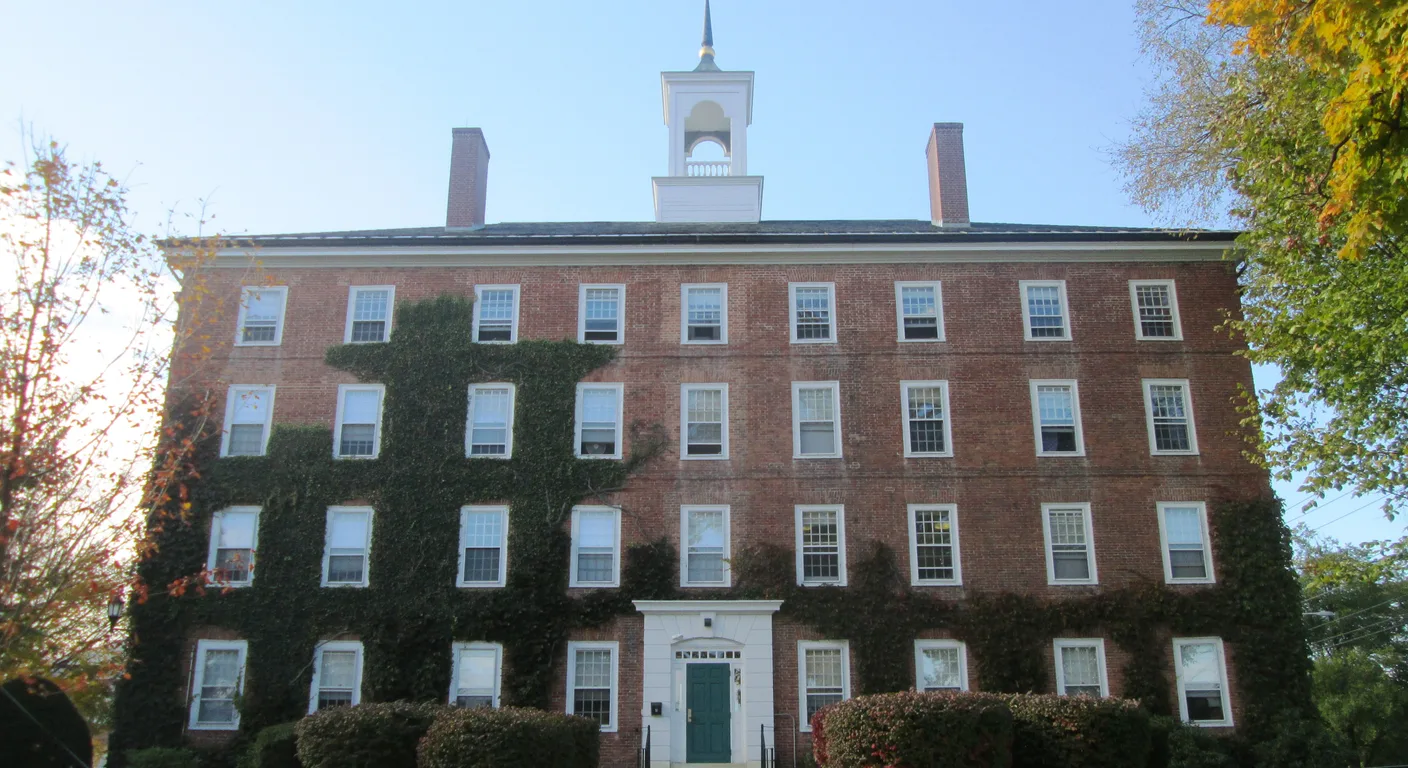
A liberal arts college is a different bet than a big university. Classes are small, professors are the people teaching them, and the whole campus can fit inside a single afternoon walk. It's also a smaller world, with fewer majors, a smaller social pool and, often, a much more remote setting. This guide covers seven Northeastern colleges that all belong to the same athletic conference, the NESCAC, but feel very different from one another: Amherst, Williams, Wesleyan, Bowdoin, Bates, Colby and Hamilton.
Because small colleges sell on feel, it's worth seeing them in person. A private campus tour through SchoolScoops can put you in front of a current student who will tell you what the brochure won't.
Amherst College (Amherst, MA)
Amherst's academic hallmark is its open curriculum: outside of a first-year seminar, students aren't bound by distribution requirements, so they design their own course of study. The Five College Consortium (Amherst, Smith, Mount Holyoke, Hampshire and UMass Amherst) adds course choices and social options that most small colleges can't match. The Pioneer Valley is beautiful and quiet, and the trade-off is that "quiet" is the operative word. See Amherst admission.
Williams College (Williamstown, MA)
Williams is known for its tutorial format, in which two students meet with a professor each week to present and defend their work, and for Winter Study, a January term for a single, unconventional course. It sits in the Berkshires, with about 2,000 students, and the outdoors are part of the culture. That's the appeal and the limitation: it's a small college in a small town, so the campus is the social center. See Williams admission.
Wesleyan University (Middletown, CT)
Wesleyan is technically a university, and it's larger than most colleges on this list, with a reputation for arts, film and an opinionated, activist student culture. It sits in Middletown, Connecticut, on the Connecticut River. That larger size means more course variety and more social range, but the culture has a reputation for strong convictions, so it's worth asking whether that energy suits you. See Wesleyan admission.
Bowdoin College (Brunswick, ME)
Bowdoin sits near the Maine coast in Brunswick and is widely praised for its dining program, which students point to as a defining piece of campus life. The setting is coastal and outdoorsy, with real Maine winters. Athletics are competitive within NESCAC and the community is tight-knit, which is great when you fit in and harder when you don't. See Bowdoin admissions.
Bates College (Lewiston, ME)
Bates has two distinguishing features: its Short Term, a five-week spring session for intensive, often experiential courses, and its long history with test-optional admissions, which it adopted back in 1984. Lewiston is a genuine small city with a former-mill-town past, which gives Bates a slightly less isolated feel than some of its peers. The Bobcats' campus culture is often described as collaborative and down to earth. See Bates admission.
Colby College (Waterville, ME)
Colby's calendar features Jan Plan, a January term for a single, focused course or project, and its Mayflower Hill campus sits above the small city of Waterville, Maine. The outdoors and a sense of community are the big draws. The trade-off is scale: this is a small college, in a small city, in a cold state, so make sure you like the winters. See Colby admission.
Hamilton College (Clinton, NY)
Hamilton is known for its open curriculum, paired with a strong emphasis on writing and speaking across disciplines. It sits in Clinton, a small village in upstate New York, and the Continentals' campus is a self-contained community. The trade-off is remoteness: you'll want to know how students spend their weekends and how they get to a larger city when they want one. See Hamilton admission.
What "Small" Really Means
- Class size: seminar-style classes and professors who know your name are the whole point, and they're real advantages at all seven.
- Social pool: with a few thousand students or fewer, you'll see the same faces constantly. That's a comfort for some and a constraint for others.
- Location: most of these campuses are rural or in small towns, so the campus is the entertainment. Ask how students spend weekends.
- Course range: fewer majors and departments than a large university, so check that your interests are covered before you commit.
- Athletics: NESCAC athletics are competitive but don't award athletic scholarships, so sports are part of campus life without dominating it.
- Name recognition: these schools are highly regarded, but they're less widely known than the Ivies outside certain circles, so ask about alumni networks and career support.
Questions to Ask on a Small-College Tour
- What do students do on a typical weekend, and do they stay on campus?
- How easy is it to get into the seminar or lab you want, and how close are you to professors?
- How does the January or spring term work, and what do students actually do with it?
- How does the school feel in February, when the winter is at its longest?
- How do students who don't fit the dominant social scene find their people?
- What does career support look like, and where do graduates end up?
- What do you wish you'd known before enrolling?
Final Thoughts
These seven colleges share a size and an academic style, but they live very differently: coastal Maine, the Berkshires, the Pioneer Valley, a river town in Connecticut, central New York. The right one is usually the one where a student can picture an ordinary February. Getting that answer means standing on the campus and asking someone who lives there. A private campus tour through SchoolScoops is one way to do it.
→ Ready to explore? Browse all available schools on SchoolScoops to get started.
Photo: West College at Williams College by Beyond My Ken, licensed under CC BY-SA 4.0. Cropped and resized for this page.