
Best Colleges for Engineering: 7 Programs and Who Each One Really Fits
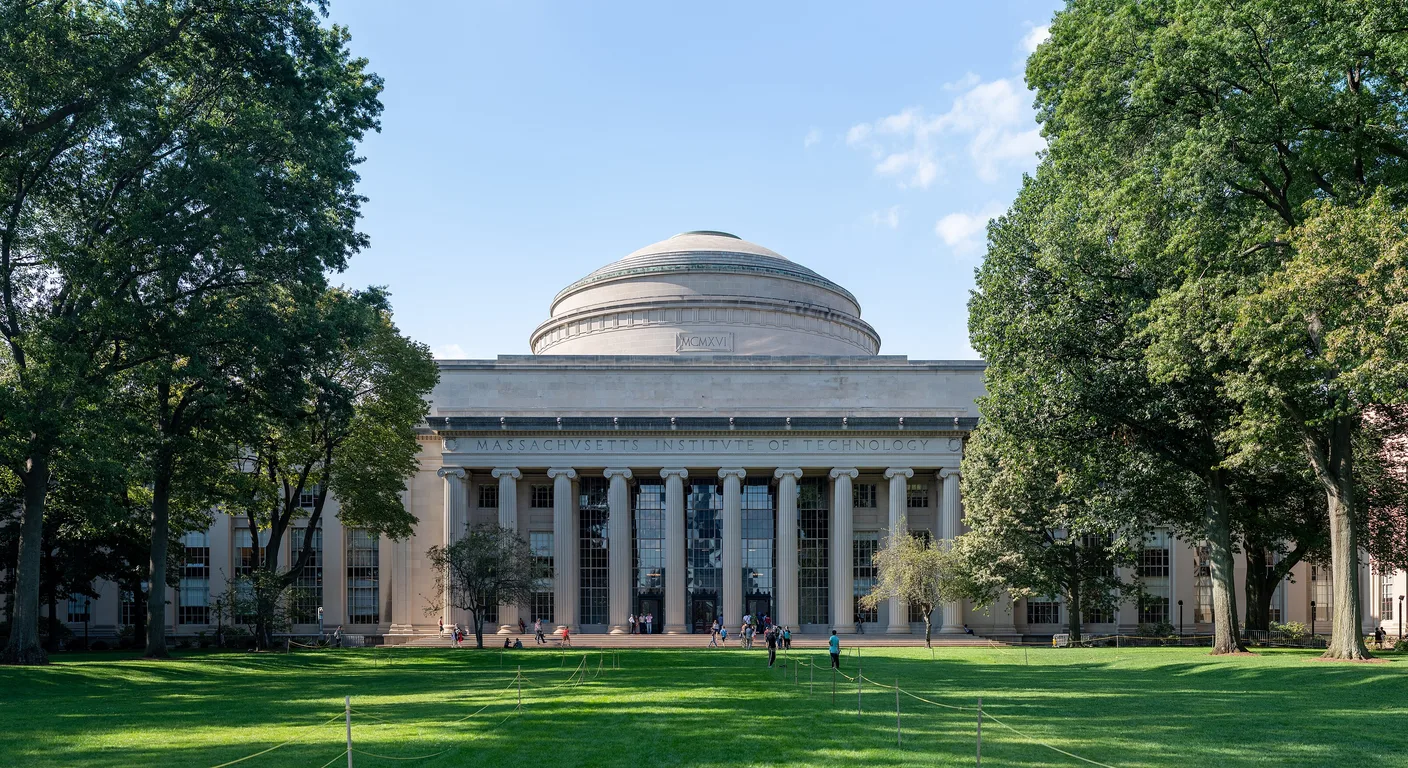
Every engineering brochure says the same three things: rigorous, hands-on, great career outcomes. What they skip is the part that decides whether a student actually thrives: how the first year works, how competitive the culture feels, how far the campus is from a real city, and whether you'd be happy there on a gray Tuesday in February. This guide covers seven programs, MIT, Georgia Tech, Purdue, Michigan, Virginia Tech, Cornell and Northwestern, with the emphasis on culture and fit rather than rankings. Rankings shift every year, and none of them can tell you which of these campuses suits your student.
If you'd rather hear it from someone currently studying engineering, a private campus tour through SchoolScoops can be matched to the school and major you're weighing.
Four Things That Matter More Than the Ranking
- How the first year works. Some schools admit you into a common first-year program and you move into a major afterward; at others you arrive with a major already chosen.
- How you get experience. Co-ops, undergraduate research and internships are built into the culture at some schools and left largely up to you at others.
- The culture around difficulty. Is the workload described as a shared struggle or a competition? Ask current students, because they will tell you.
- What surrounds the campus. A major city, a college town and a mountain valley produce three very different four years.
Massachusetts Institute of Technology (Cambridge, MA)
MIT is the one school on this list where the culture is the product. Majors are known by number (Course 6 is electrical engineering and computer science), students talk in problem sets and all-nighters, and the defining trait is collaboration: working through problems in groups is the norm, not the exception. First-year grading is deliberately gentler than what comes after, the Undergraduate Research Opportunities Program (UROP) is a well-known way to get into a lab early, and January's Independent Activities Period gives students a month of optional classes and projects. The trade-offs: it's small and intense, the social scene is quirky rather than traditional, and it isn't a football-Saturday school. Start with MIT Engineering and MIT Admissions, and see MIT athletics if varsity sports matter to you.
Georgia Institute of Technology (Atlanta, GA)
Georgia Tech is a big public engineering school in the middle of a major city: the campus sits in Midtown Atlanta, and the city is a recruiting pipeline students actually use. Its co-op program is one of the oldest in the country, and plenty of students treat a semester or two of paid work as a normal part of the degree rather than a bonus. The culture is proud, a little self-deprecating about the workload, and the school has a reputation for demanding grading. The trade-off: it's large enough that early classes can feel impersonal, and the workload is the price of admission. See the College of Engineering, Georgia Tech admissions and Yellow Jackets athletics.
Purdue University (West Lafayette, IN)
Purdue's engineering identity is deep and unpretentious. Engineering students typically begin in a common First-Year Engineering program and move into a discipline afterward, which gives you time to explore before choosing but also makes the first year a shared, competitive gateway. Purdue calls itself the Cradle of Astronauts, with Neil Armstrong and Eugene Cernan among its alumni, and the Midwestern, work-hard culture fits that history. West Lafayette is a classic college town, with Indianapolis and Chicago a drive away rather than a commute, and Big Ten football and basketball give the campus a strong game-day identity. The trade-off: this is a big school where the town is the campus, so what you see on campus is most of what you get. See Purdue Engineering, Purdue admissions and Boilermakers athletics.
University of Michigan (Ann Arbor, MI)
Michigan Engineering is a large college inside one of the country's great public universities, which means access to almost everything (research, a big-time Big Ten athletics culture, an enormous alumni network) alongside the scale that comes with it. Much of engineering lives on North Campus, a bus ride from the Central Campus of the Diag and downtown Ann Arbor, so engineers often build a different daily rhythm from their liberal arts peers. Some students love the separation; others feel it. Ann Arbor is one of the better college towns in the country. The trade-off: intro courses are large, and you'll need to be proactive to find small-group experiences. Explore Michigan Engineering, Michigan admissions and Michigan athletics.
Virginia Tech (Blacksburg, VA)
Virginia Tech's College of Engineering is one of the largest in the country, and it's the main reason many students choose Virginia Tech over its peers. Students describe a practical, team-oriented culture, heavy on labs and design work, and the school is proud of graduates who can build things. The first-year engineering curriculum is widely described by students as demanding, so ask current students how they handled it. Blacksburg is a true college town in the mountains of southwest Virginia: beautiful but remote, which makes the campus the social center. Game days at Lane Stadium are a defining part of the culture. See Virginia Tech Engineering, Virginia Tech admissions and Hokies athletics.
Cornell University (Ithaca, NY)
Cornell Engineering pairs a rigorous technical program with the breadth of an Ivy League university that is also a land-grant school with several undergraduate colleges. That breadth is the appeal: you can take courses across the university, and engineers share the campus with students in agriculture, architecture, hotel administration and more. The trade-off is Ithaca itself. It's remote, the winters are long, and the hilly campus and its gorges are part of daily life. Students describe the workload as intense, and because the town is small, the campus and its traditions are the social scene. See Cornell Engineering, Cornell admissions and Big Red athletics.
Northwestern University (Evanston, IL)
Northwestern's McCormick School is one of the smaller, more flexible environments on this list. The university runs on the quarter system, so terms are ten weeks long, move fast and leave little room to fall behind. Students are encouraged to combine engineering with other areas of a top liberal arts university, and the Segal Design Institute is a hub for design-focused work. Evanston sits on Lake Michigan just north of Chicago, so you have a real city within reach without living in one. The trade-off: quarter-system pace is relentless, and Midwestern winters are real. See McCormick, Northwestern admissions and Wildcats athletics.
How to Narrow It Down
As a rough guide, and with plenty of exceptions, here is how the seven tend to lean:
- Want a shared first year before committing to a discipline: Purdue and Virginia Tech are built around it.
- Want co-op experience treated as normal: Georgia Tech's co-op tradition is the clearest example on this list.
- Want research access early: MIT's UROP is the best-known model, and it's worth asking about research access at Cornell and Northwestern too.
- Want big-school spirit: Purdue, Michigan and Virginia Tech all build campus identity around game days.
- Want a major city nearby: Georgia Tech (Atlanta), Northwestern (Chicago) and MIT (the Boston area) are the closest matches; Cornell and Virginia Tech are the most remote.
Questions to Ask on an Engineering Campus Visit
- How does the first year work, and how do students end up in their majors?
- How hard is it to switch into a competitive major such as computer science?
- Where do students get real experience: co-ops, research, design teams or internships?
- What does a typical week of workload look like, and where do students study together?
- How accessible are professors in the intro sequences?
- What do students do outside engineering, and does it require leaving campus?
- What do you wish you'd known about career recruiting before you enrolled?
Final Thoughts
Any of these seven can launch an engineering career; the difference is the four years leading up to it. The best way to work out which campus fits your student is to see it through the eyes of someone currently studying engineering there. You can book a private campus tour through SchoolScoops matched to your school and major.
→ Ready to explore? Browse all available schools on SchoolScoops to get started.
Photo: The Great Dome at MIT by Mys 721tx, licensed under CC BY-SA 3.0. Cropped and resized for this page.