
Safest Big Campuses: What Parents Should Actually Look For
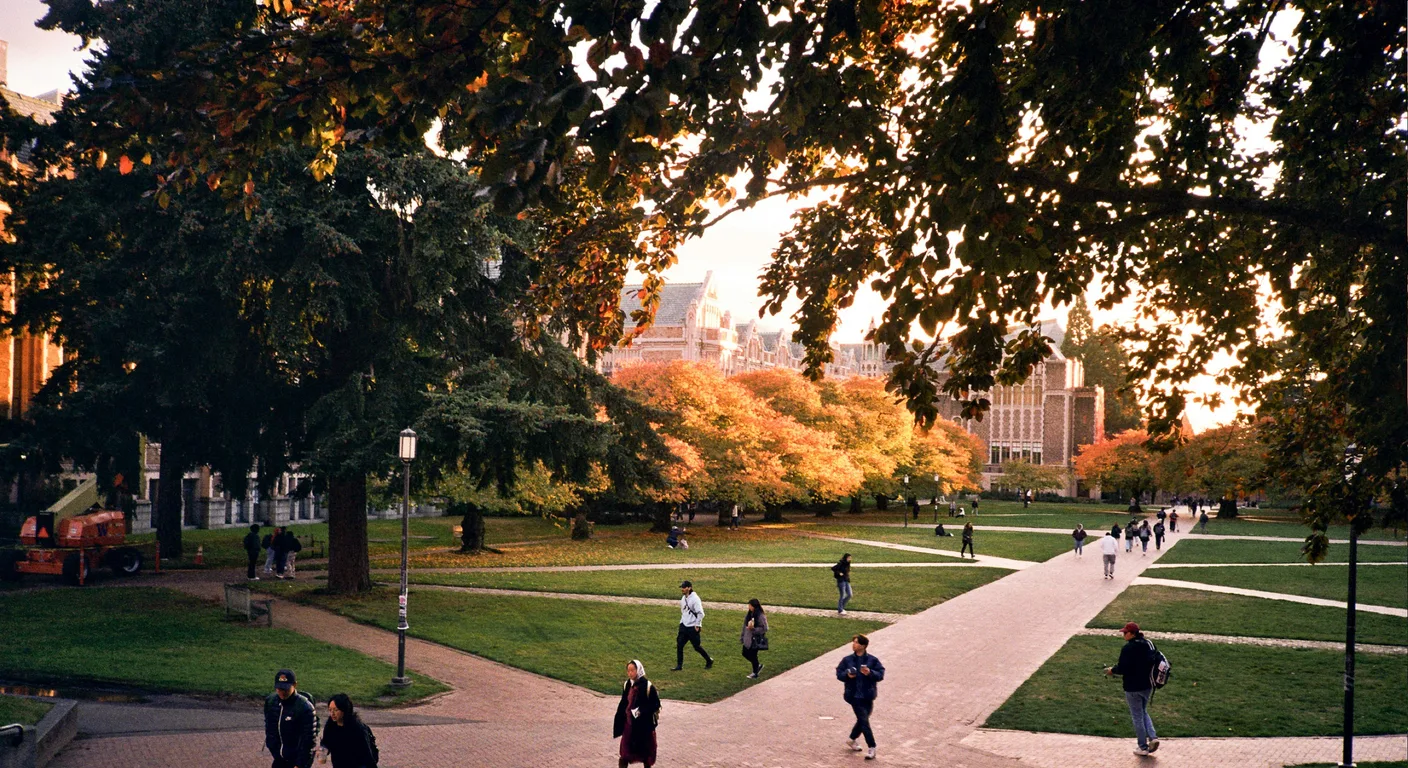
"Is it safe?" is one of the first questions every parent asks about a big university, and it's also one of the hardest to answer honestly. "Safe" isn't a single number, a ranking, or a feeling from a glossy brochure — it's a combination of real crime data, how a campus is designed and lit, how present campus police actually are, and how a current student describes walking home at 1 a.m. on a Tuesday. A private, student-led SchoolScoops tour is one of the only ways to get that last, most honest piece — because a current student will tell you what the official tour won't.
Start With the Data, Not the Reputation
Every college and university that receives federal financial aid is legally required to publish detailed campus crime statistics under the Clery Act, a federal law passed after the 1986 murder of a Lehigh University freshman in her dorm room. That means real, comparable safety data exists for essentially every school on your list — you just have to know where to look instead of relying on a school's general reputation or an online forum thread.
— The U.S. Department of Education's Campus Safety and Security Data Analysis Cutting Tool lets you pull a school's official Clery Act crime statistics, broken out by category and year, and compare multiple schools side by side — The National Center for Education Statistics' College Navigator includes a campus safety tab for nearly every accredited institution in the country, alongside graduation rates, cost, and other consumer data — Every school also publishes its own Annual Security Report by October 1 each year — search "[school name] Annual Security Report" and you'll get the full document, including fire safety statistics and campus policy on alerts — Compare data across at least three years, since a single spike can be one incident cluster rather than a trend, and compare rates per enrolled student, not just raw totals, since bigger campuses naturally report bigger numbers
What the Numbers Don't Tell You
Clery data is a real and useful starting point, but it has real limits. It only counts reported crimes, so it reflects reporting culture as much as actual incidents — a campus with a strong, trusted reporting system can post higher numbers than a campus where students simply don't report. It also doesn't capture how a campus feels to walk across at night, how well-lit the walk from the library to a freshman dorm actually is, how visible campus police patrols are, or how quickly a blue-light emergency phone gets answered. That's where a private tour earns its keep: a current student can walk you the actual route their friends take back from a late study session and tell you honestly whether they'd send a younger sibling that same way alone.
Campus Police Pages Are Public — Use Them
Most university police and public safety departments maintain their own public pages with crime logs, safety tips, and emergency procedures, separate from the official Clery Act report. It's worth bookmarking a few before your visit — for example, UVA Police, Virginia Tech's security and safety page, the University of Oregon Police Department, and the University of Kentucky Police Department all publish current alerts and safety resources directly to the public. Reading a few of these before your tour gives you specific, current things to ask your guide about, instead of generic safety small talk.
What to Physically Check on a Tour
— Walk the route from the library or student union back to a freshman residence hall after dark, or ask your guide to describe it in detail — Look for blue-light emergency phones and note how far apart they actually are, not just whether they exist — Ask how campus police differ from local city police in jurisdiction, and how visible patrols are around dorms versus the academic core — Ask about the campus's emergency notification system — how alerts go out, how fast, and whether students say it actually works when something happens — Ask your student guide, honestly, whether they feel comfortable walking alone at night, and where on campus they personally wouldn't
Questions Worth Asking a Current Student, Not Just Admissions
— Has anything happened on or near campus that made you personally change your habits? — How present are campus police day to day, versus just during big events like football weekends? — What does the surrounding neighborhood look like once you're off the main campus core? — Do students generally use the campus escort or shuttle services, or do most people just walk? — If you had a daughter or son coming here next year, is there anything you'd want them to know before move-in?
→ See how a private SchoolScoops tour connects you directly with a current student who'll answer these honestly.
Why Families Choose SchoolScoops for This Exact Question
Safety is one of the topics official tours are the most rehearsed on, because it's also the one that most affects enrollment decisions — which is exactly why it deserves a second, less scripted conversation. A SchoolScoops guide isn't reciting a safety statement approved by a communications office; they're a student who has actually lived on that campus, walked those paths, and can tell you plainly what feels fine and what gives them pause. Combined with the hard data from the Clery Act reports and College Navigator, that honest, on-the-ground perspective is the closest thing to a complete picture a family can get before enrollment.
No campus, of any size or reputation, is without incidents — the goal isn't to find a mythical zero-risk school, it's to understand realistically what safety looks like day to day at the specific places your student is considering, and to ask the questions that get you a real answer instead of a talking point.
→ Ready to plan a visit? Browse all available SchoolScoops schools and book a private, student-led tour at SchoolScoops.com.