
Old Row: The Most Historic Greek Row Campuses in America
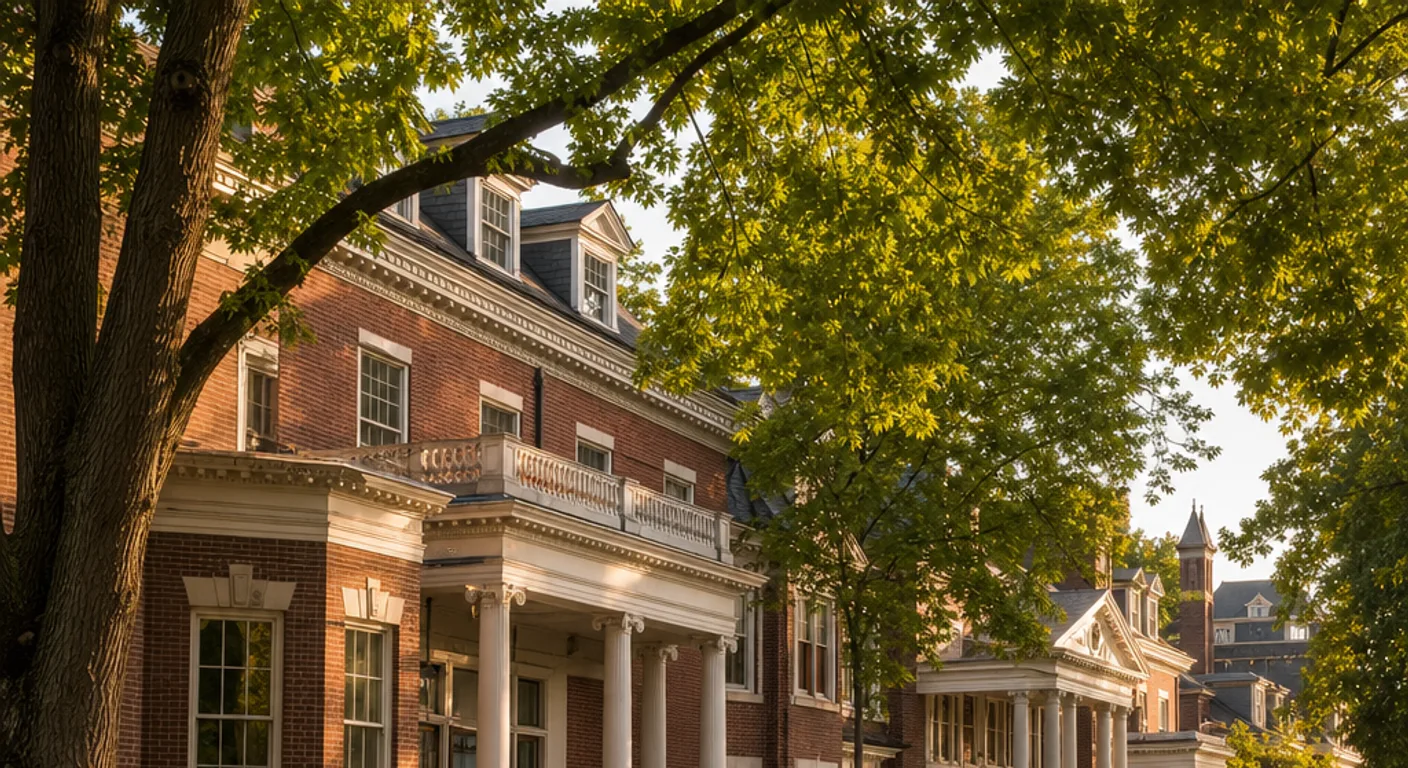
Some Greek Rows are just streets with houses on them. Others are architectural landmarks with a century or more of continuous tradition, where the buildings themselves — not just the chapters inside them — are part of what makes a campus visually and culturally distinctive. This list looks at schools where Greek Row's history is inseparable from the school's identity, and what that history actually means for students walking past it today.
What Makes a Row Historic Rather Than Just Old
- Continuous chapter occupancy for a century or more, rather than a rebuilt or relocated row
- Architectural significance recognized outside the Greek system itself — preservation status, campus tour stops
- A visible role in campus identity even for students who never join a chapter
- A documented, sometimes complicated, history that the university has had to publicly reckon with
- Multi-generational alumni ties, where grandparents and parents lived in the same house their student is rushing
- A physical setting distinctive enough that it shows up on official campus maps and admissions photography
University of Virginia — Rugby Road
Rugby Road at UVA is one of the most architecturally intact fraternity rows in the country, lined with grand early-20th-century houses just off the Lawn — Thomas Jefferson's original academical village and a UNESCO World Heritage Site. The row's history intertwines with UVA's broader tradition-heavy culture, and its scale means students, Greek-affiliated or not, walk past a significant stretch of architectural history on an ordinary day. Many of the houses have been continuously occupied by the same chapters for well over a century, which gives Rugby Road a permanence that newer, purpose-built Greek housing at other schools simply can't replicate. Housing context is available through UVA Housing.
University of Alabama — The Strip and Greek Row
Alabama's Greek Row is a genuinely monumental stretch of mansion-scale sorority and fraternity houses, many rebuilt or expanded in recent decades to match the scale of one of the largest Greek systems in the country. That combination — long tradition plus very recent, very visible investment — has made the row something of a campus attraction in its own right, well beyond the students who actually live there, with tour buses and visiting families regularly stopping to photograph it during football weekends. See Alabama Off-Campus & Greek Housing for more.
University of Mississippi — Sorority Row
Ole Miss's Sorority Row sits within walking distance of the historic Grove, and its columned architecture is among the most photographed on any Southern campus. The row's aesthetic and history are both a source of campus pride and, for some students and alumni, part of an ongoing conversation about what that architectural tradition represents — worth asking about directly rather than assuming either way, since the answer tends to vary quite a bit depending on who you ask and when they attended. Housing details are at Ole Miss Housing.
Vanderbilt University — West Side Row
Vanderbilt's Greek houses sit along a historic residential stretch near the heart of campus, blending into Nashville's broader tradition of well-preserved early-20th-century architecture. Because Vanderbilt defers rush to spring, freshmen have a different relationship with the row than at fall-rush schools — they watch it from the outside for a full semester before deciding whether to join it. More at Vanderbilt Commodores Athletics.
Indiana University — Third Street Greek Houses
Indiana University's Greek houses along Third Street and North Jordan Avenue represent one of the oldest continuously operating Greek Rows in the Big Ten, with limestone architecture that matches the rest of IU's historic campus core. The age and density of the row shapes campus geography in a way that touches the broader student body daily, chapter member or not, since it sits directly along one of the main pedestrian routes between the residence halls and academic buildings. See IU Hoosiers Athletics for more on campus tradition.
Questions Worth Asking Before You Decide
- What's it actually like to live in a century-old chapter house day to day — comfort, maintenance, capacity?
- How has the university balanced historic preservation with modern safety and accessibility requirements?
- Does the row's visual grandeur match the current strength and size of the chapters inside it?
- What does the university's own history say about how the row has evolved over time?
- What do alumni who lived there decades ago say has changed the most?
- How does living in a historic house compare, cost-wise, to newer Greek housing elsewhere?
Official tours tend to treat Greek Row as a scenic backdrop rather than a place with real, lived-in history — a nice photo stop rather than a subject worth unpacking. If you want the fuller picture — including the parts that don't make it onto a postcard — a current student can generally give it to you straight, which is a big part of what a SchoolScoops tour is for.
→ Ready to book? Visit SchoolScoops.com or browse all available schools