
The Real Move-In List: What Freshmen Actually Need to Bring to College
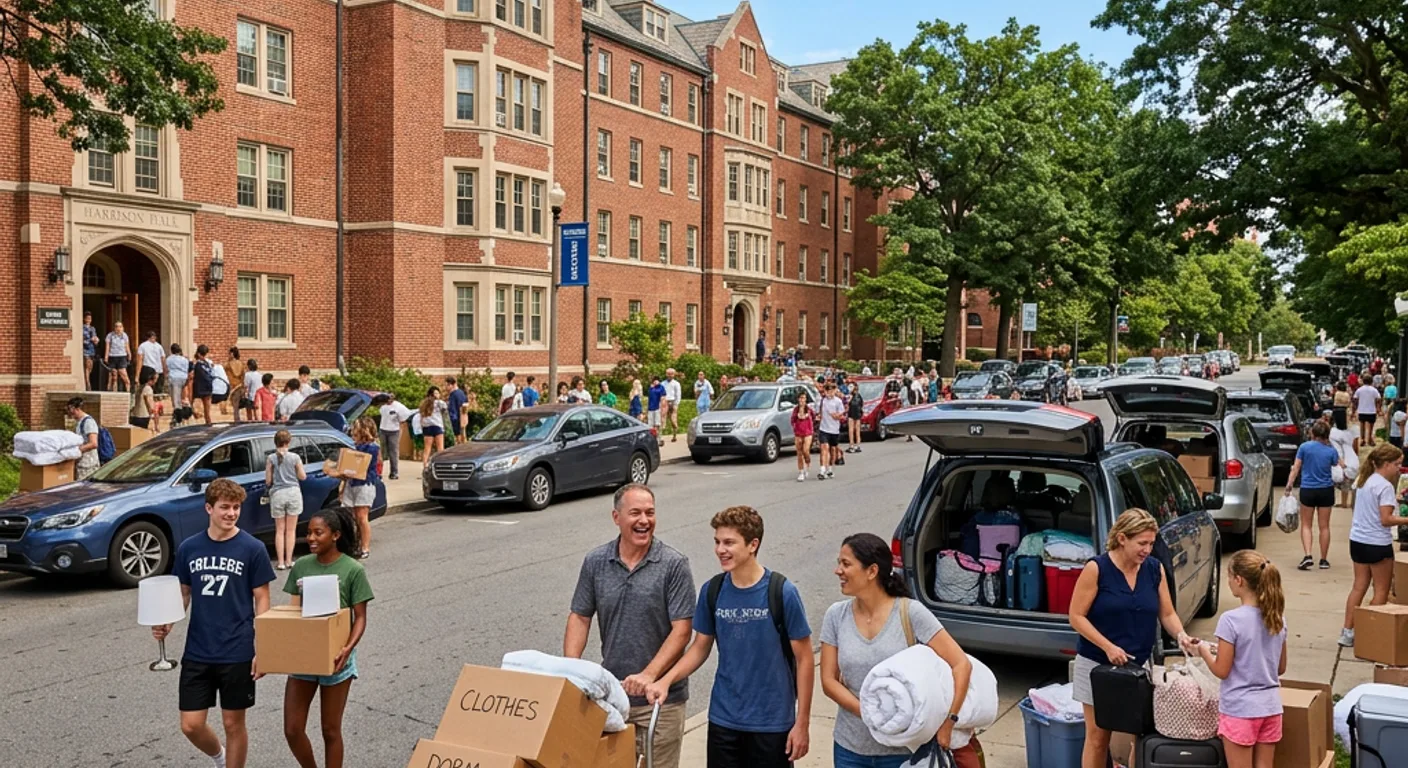
Every college publishes an official packing list, and every official packing list is wrong in the same predictable way: it's generic. It tells you to bring bedding and a laundry bag, but it won't tell you that your dorm's elevator breaks down every August move-in weekend, or that your specific building doesn't allow mini-fridges over 3.2 cubic feet, or that the one thing everyone on your hall wishes they'd brought is a power strip with a built-in surge protector, not the cheap extension cord from the drugstore. The honest version of a college packing list comes from someone who's already lived through move-in day, which is exactly why a private, student-led campus tour through SchoolScoops is worth booking before senior year ends — a current student can walk you through your actual building, your actual roommate situation, and your actual campus, not a generic checklist. In the meantime, here's a grounded, category-by-category guide to what freshmen really need.
Why Talking to a Current Student Beats Any Packing List
- What your specific dorm allows and prohibits — mini-fridge size limits, hot plates, string lights, and extension cord rules vary building to building, not just school to school
- What the room dimensions and closet space actually look like, so you don't overpack storage bins you can't fit
- Whether laundry, printing, and mail pickup are close enough to skip bringing your own equipment
- What the local weather and walk-to-class distance actually demand in terms of outerwear and footwear
- Which items every freshman brings and never uses, versus what everyone wishes they'd packed
- What the roommate and floor culture is like, which shapes how much shared versus personal gear makes sense
- What financial, medical, and administrative paperwork actually gets checked in the first week versus what sits in a drawer all year
Dorm Room Essentials
Bedding is the obvious one — most dorm beds use an XL Twin mattress, not a standard Twin, so double-check before you buy sheets. Beyond that, focus on what makes a small shared space livable: a mattress topper, a good pillow, a laundry bag or hamper, closet organizers, and a small toolkit with a screwdriver, hammer, and picture-hanging strips (most dorms ban nails in the walls). A shower caddy and flip-flops for communal bathrooms matter more than students expect until they arrive. Command strips and over-the-door hooks solve most of the storage problems a small dorm room creates without needing to drill or nail anything into university property.
Tech and Communication
A laptop is non-negotiable at nearly every school now, but the accessory that actually gets forgotten is a surge-protecting power strip — dorm outlets are limited and old wiring is common, so check NFPA fire safety guidance for dorm rooms before assuming any extension cord will do. Noise-canceling headphones are worth the investment for a shared room, and a portable charger matters more on a sprawling campus than it does at home. Skip the printer — nearly every campus has free or low-cost printing in the library or student center, and a printer is one more bulky item taking up desk space you don't have.
Health, Safety, and First-Week Paperwork
This is the category students most often forget and most regret forgetting: a basic first-aid kit, any prescription medications with enough supply to bridge the first few weeks, a copy of vaccination records (most schools require proof before move-in), health insurance cards, and a printed copy of your class schedule and emergency contacts. The American Red Cross publishes general first-aid and dorm safety checklists worth reviewing with your student before move-in, especially around fire safety, since space heaters and candles are banned in nearly every residence hall for a reason.
Financial and Administrative Basics
A student bank account or debit card set up before arrival saves a first-week scramble, and a copy of financial aid paperwork, housing confirmation, and any orientation materials should travel with your student, not just live in an email inbox. The College Board's transition-to-college resources are a solid starting point for the paperwork most families overlook until orientation week is already underway.
What Not to Bring
Space heaters, candles, and toaster ovens are banned at most schools for fire-code reasons — check your specific school's housing rules rather than assuming. Full-size furniture rarely fits and usually can't be returned once you've hauled it there. And the emotional item every student overpacks is clothing: most freshmen bring roughly twice what they end up wearing regularly, because dorm closets are smaller than anyone remembers from the tour photos. Every school's official housing office — for example the University of Oregon housing site, the University of Virginia housing site, or the Virginia Tech housing site — publishes a specific list of banned items, and those lists differ more than most families expect.
Questions to Ask a Current Student Before You Pack
- What does my specific dorm actually allow — mini-fridge size, hot plates, string lights, extension cords?
- How far is my dorm from laundry, dining, and my first classes?
- What's the one thing you wish you'd brought — and the one thing you wish you'd left home?
- How's the campus wifi and cell signal in the dorms specifically?
- What does the local weather actually demand in September versus January?
- What paperwork actually gets checked during move-in week?
→ Want a current student to walk you through exactly what your dorm and campus require? Book a private, student-led campus tour through SchoolScoops before move-in day.
Why Families Choose SchoolScoops Before Move-In
The best packing advice isn't generic — it's specific to your kid's actual building, actual roommate situation, and actual campus. A current student who lives in the dorm you're moving into can save your family a wasted trip to the store, a banned appliance confiscated at check-in, or an unnecessary $200 storage bin purchase. Families who book a private SchoolScoops tour before senior year ends consistently say the conversation answered more real, logistical questions than any official packing list or virtual info session.
Move-in day goes smoother when you've already talked to someone who's lived it. A private, student-led campus tour through SchoolScoops isn't just about deciding where to enroll — it's a chance to ask the practical questions that make the first month of freshman year less stressful for everyone involved. Book a SchoolScoops campus tour and get the real list, not the generic one.
→ Ready to book? Visit SchoolScoops.com or browse all available schools to find your guide. Learn more about how SchoolScoops works.