
Fourth and Loud: Ranking the Best Gameday Atmospheres in College Sports
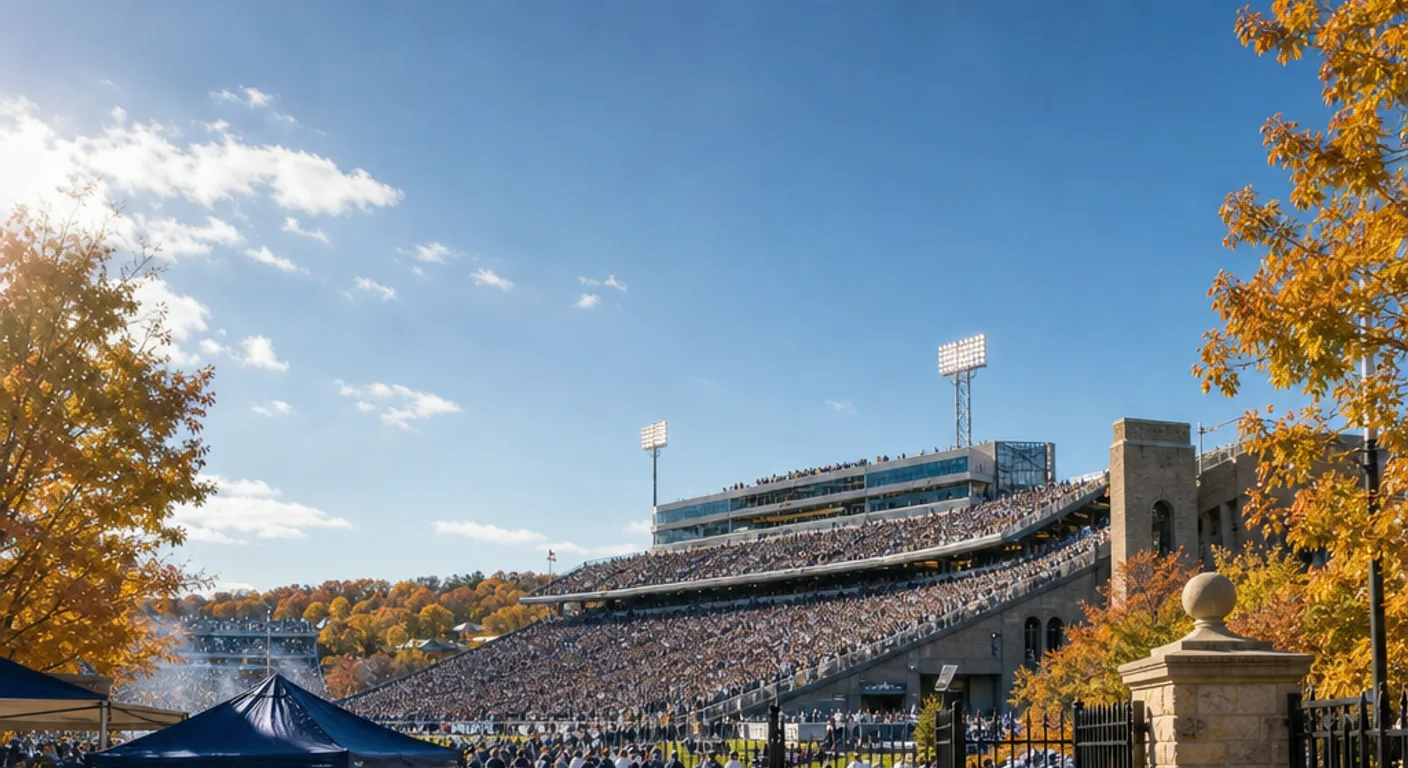
Every school with a stadium claims its gameday is the best in the country. Most of them are exaggerating. A handful aren't — and the difference matters more than most families realize, because at the schools on this list, gameday isn't a Saturday event. It's the social calendar, the community bonding ritual, and in some cases the entire identity of the university. We put this list together from a mix of attendance and noise data, national atmosphere rankings, and conversations with current students who've actually sat in these student sections — the kind of on-the-ground perspective SchoolScoops guides bring to a campus visit.
What Actually Makes a Gameday Great
- Scale — how many people are physically packed into the stadium or arena, and how loud that translates to on the field
- Ritual — whether the school has a specific tradition (an entrance song, a fourth-quarter jump, a mascot run) that's become bigger than the game itself
- Town integration — whether the surrounding city shuts down and joins in, or whether gameday stays contained to campus
- Year-round presence — whether the culture shows up in everyday campus life, or only during the season
- Inclusivity — whether students who don't care about sports still feel like the campus has room for them
1. LSU — Death Valley, Baton Rouge
Tiger Stadium earns the nickname Death Valley honestly: night games at LSU have been recorded registering on seismographs at a nearby geology building when the crowd erupts. The stadium seats over 100,000, and the tailgate culture along the levee starts building a full day before kickoff — it's less a pre-game ritual than a second, parallel event that some students say they enjoy more than the game itself. Current matchups and program details are at LSU Athletics.
2. University of Alabama — Bryant-Denny Stadium, Tuscaloosa
Alabama football carries the weight of decades of championship expectation, and Bryant-Denny Stadium's atmosphere reflects it — this isn't a program riding nostalgia, it's one that expects to compete for a title most years, and the crowd energy tracks that expectation. The Walk of Champions before kickoff, the fraternity and sorority tailgate blocks that stretch across the Quad, and the sheer density of the crowd make football weekends feel like a campus-wide holiday rather than an athletic event. Program details are at Alabama Athletics.
3. University of Wisconsin — Camp Randall Stadium, Madison
Camp Randall's fourth-quarter tradition — the entire stadium jumping in unison to House of Pain's "Jump Around" — is one of the most physically felt moments in college sports, largely because it happens regardless of the score. What sets Wisconsin apart is how much of that energy carries into the rest of Madison: the Memorial Union Terrace on the lake, a genuinely walkable downtown, and a college-town culture that treats gameday as one long block party rather than a discrete event. More at Wisconsin Athletics.
4. Virginia Tech — Lane Stadium, Blacksburg
The entrance sets Virginia Tech apart from almost every other program: Metallica's "Enter Sandman" playing as the team runs onto the field while Lane Stadium, routinely rated among the loudest venues in the country by decibel readings, shakes with 65,000 fans. Because Blacksburg is a genuinely remote mountain town with limited other entertainment options, Hokie football absorbs a social role that bigger cities elsewhere might otherwise fill — which is part of why the intensity holds up even in years the team isn't ranked. More at Virginia Tech Athletics.
5. University of Oklahoma — Gaylord Family Oklahoma Memorial Stadium, Norman
"Boomer Sooner" isn't just a fight song at Oklahoma — students describe it as closer to a shared dialect. Norman transforms on gameday: the Sooner Schooner runs across the field after every score, and the stadium's 80,000-plus capacity means the noise doesn't let up for four quarters. Because OU now competes in a conference stacked with fellow blueblood programs, gameday intensity has, if anything, gone up rather than settled into routine. More at Oklahoma Athletics.
6. University of Kentucky — Rupp Arena Basketball Culture, Lexington
Not every great gameday happens on a football field. At Kentucky, the defining atmosphere is basketball — Rupp Arena's 23,500 seats packed for a program with more championship tradition than nearly any other in the sport. Big Blue Nation's energy peaks in March, but unlike football-first schools where the off-season goes quiet, Kentucky basketball culture stays present on campus nearly year-round, through recruiting buzz, scrimmages, and offseason roster news that gets discussed like actual sports news. More at Kentucky Athletics.
Questions Worth Asking Before You Decide
- How many home games can a freshman realistically attend, given student ticket lotteries?
- What does campus feel like during a bye week or in the off-season?
- Is there a real culture around traveling to away games, and what does that typically cost?
- How does the athletic calendar affect housing, class scheduling, or student org events?
- What do students who genuinely don't care about sports say about finding their social footing?
None of this is something a highlight reel or a stadium tour on a random Tuesday can really convey — the gap between "big stadium" and "campus-defining culture" only shows up if you talk to someone who's lived through a full season there. That's the kind of conversation a private SchoolScoops tour is built around: a current student giving you the honest version, not the recruiting-video one.
→ See guides at these schools and more at SchoolScoops.com